Test Index
CBSE Class 12 Biology 2023 Paper 57/1/1
CBSE Class 12 Biology 2023 Paper 57/1/1


© examsnet.com
Question : 33 of 33
Marks:
+1,
-0
(a) Study the diagram given below showing the modes of pollination. Answer the questions that follow.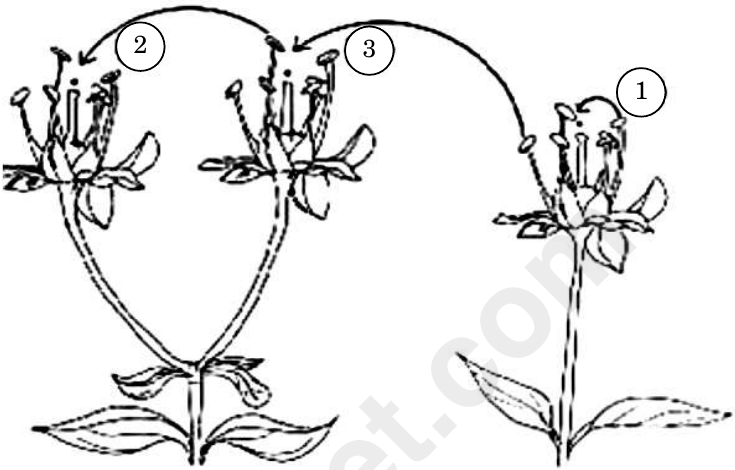 (i) The given diagram shows three methods of pollen transfer in plants. What are the technical terms used for pollen transfer methods '1', '2' and '3' ?(ii) How do the following plants achieve pollination successfully ?(1) Water lily(2) Vallisneria(iii) Flowering plants have developed many devices to avoid inbreeding depression. Explain one hereditary and one physiological device which helps plants to achieve this target.OR(b) Observe the diagram given below showing the menstrual cycle of a normal human female and answer the questions that follow :
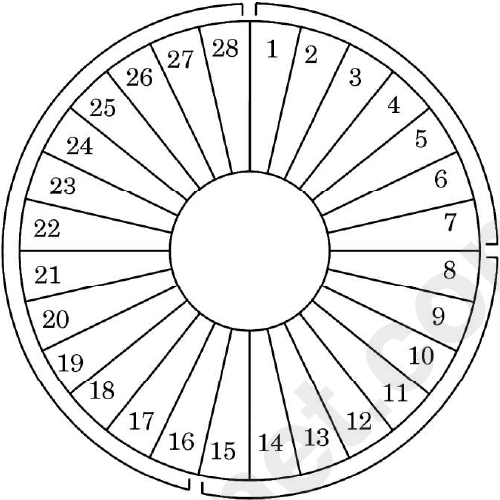 Numbers indicate the days of the menstrual cycle(i) What are the suitable technical terms used for the following ?(1) Days 1 – 7(2) Days 8 – 12(3) Days 16 – 28(4) Days 13 – 15(ii) Explain the role of ovarian and pituitary hormones during the following time periods :(1) Days 8 – 12(2) Days 13 – 15(3) Days 16 – 28
Solution:
(a)(i) (1) Autogamy – transfer of pollen from the anther to the stigma of the same flower.(2) Geitonogamy – transfer of pollen to the stigma of another flower of the same plant.(3) Xenogamy – transfer of pollen to the stigma of a flower of a different plant.(a)(ii) (1) Water lily: the flowers emerge above the level of water and are pollinated by insects or wind, as in most land plants.(2) Vallisneria: the female flower reaches the surface of water on a long stalk. Male flowers or pollen grains are released on the surface of water and carried passively by water currents; some of them reach the female flowers and their stigma, and pollination occurs (hydrophily).(a)(iii) Hereditary (genetic) device – self-incompatibility: a genetic mechanism that prevents self-pollen (from the same flower or other flowers of the same plant) from fertilising the ovules by inhibiting pollen germination or pollen tube growth in the pistil.Physiological device – pollen release and stigma receptivity are not synchronised: either the pollen is released before the stigma becomes receptive, or the stigma becomes receptive much before the pollen is released.OR (b)(i) (1) Days 1–7: menstrual phase(2) Days 8–12: follicular (proliferative) phase(3) Days 16–28: luteal (secretory) phase(4) Days 13–15: ovulatory phase (ovulation about day 14)(b)(ii)
| Days | Pituitary hormones | Ovarian hormones |
| (1) 8–12 (follicular phase) | LH and FSH rise gradually; they stimulate the growth of ovarian follicles and the secretion of estrogen by the growing follicles. | Estrogen from the growing follicles causes regeneration and proliferation of the endometrium. |
| (2) 13–15 (ovulatory phase) | LH and FSH reach a peak in the middle of the cycle. The LH surge induces rupture of the Graafian follicle and release of the ovum (ovulation). | Estrogen level is at its peak; the endometrium is thick. |
| (3) 16–28 (luteal phase) | LH maintains the corpus luteum formed from the ruptured follicle; LH and FSH levels fall. | The corpus luteum secretes large amounts of progesterone, which maintains the endometrium for implantation. Without fertilisation the corpus luteum degenerates, progesterone falls and the endometrium breaks down (menstruation). |
© examsnet.com
Go to Question: